
During these 18 months of chronicling Coppertop gardens, I’ve spent plenty of time discovering and identifying plants that were previously unknown to me. Some of the discoveries have amused me and others have encouraged me to dig deeper.
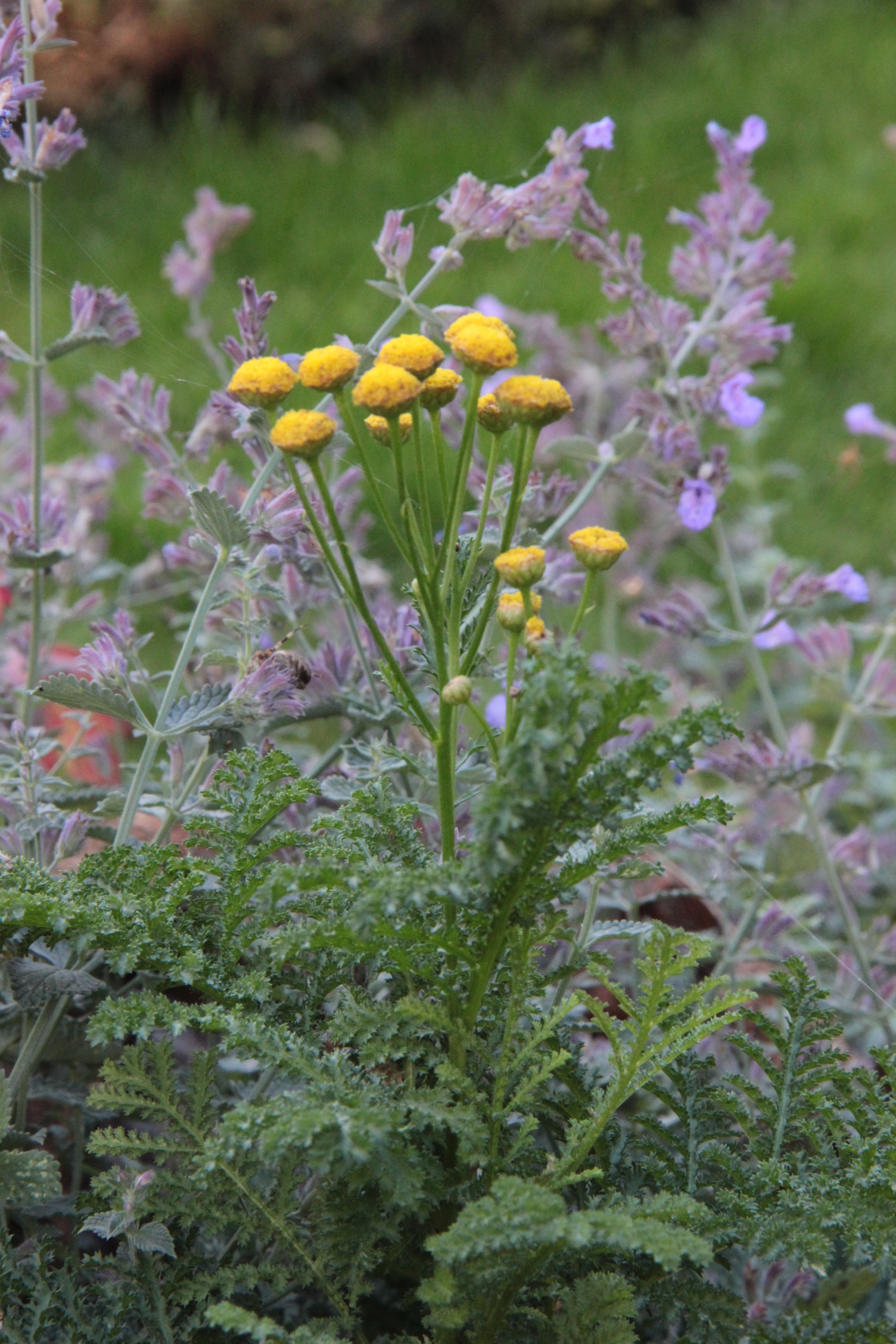
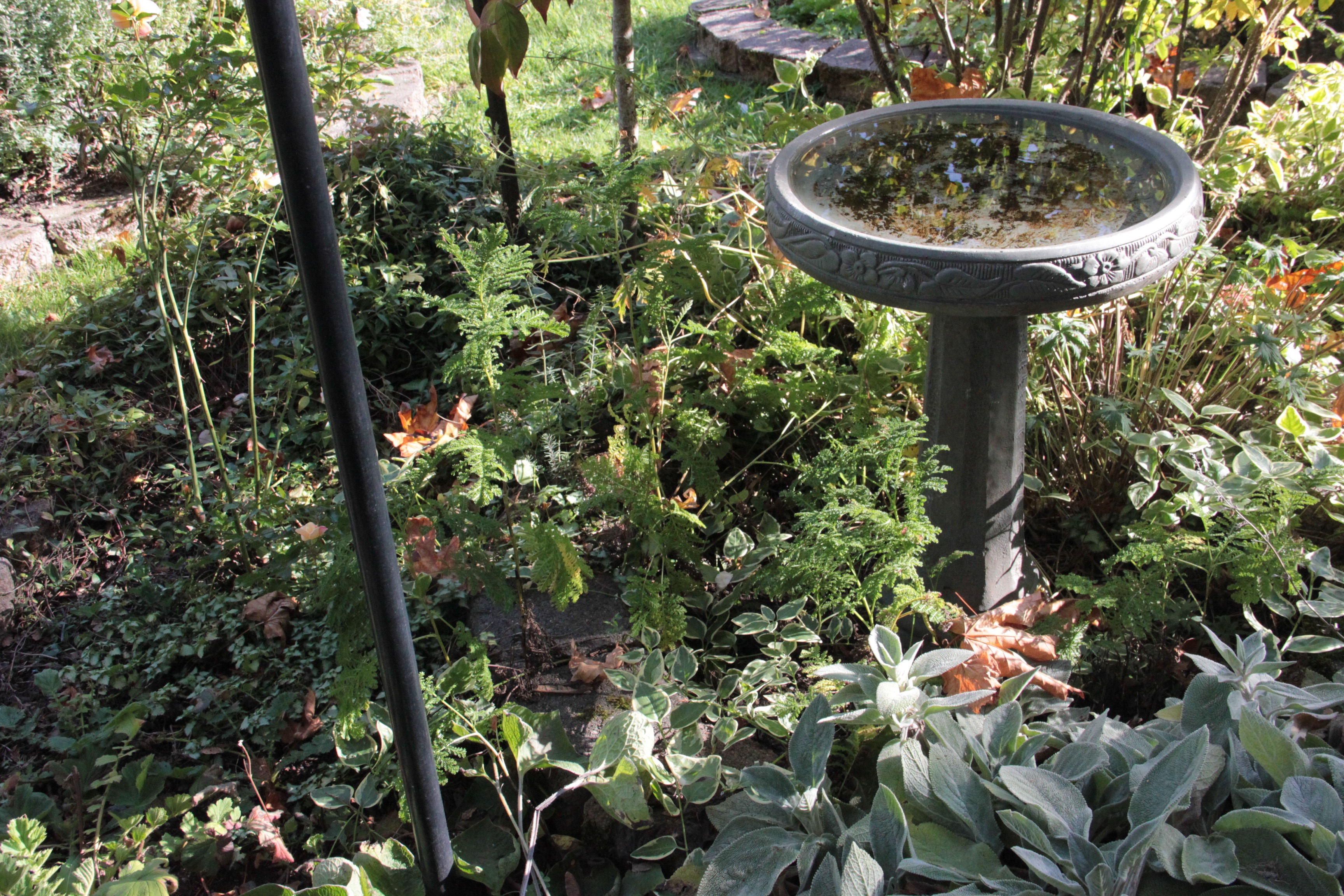
This month is the height of one of the little-known herbaceous perennials at Coppertop I hadn’t yet identified. Its aromatic, ferny foliage adds a delicate touch to a couple of our perennial beds, although its flowers are nondescript yellow buttons in flat-topped clusters called corymbs. Other than yearly enjoyment of daffodils, yellow tulips, and sunflowers, I tend to shy away from yellow in the garden.
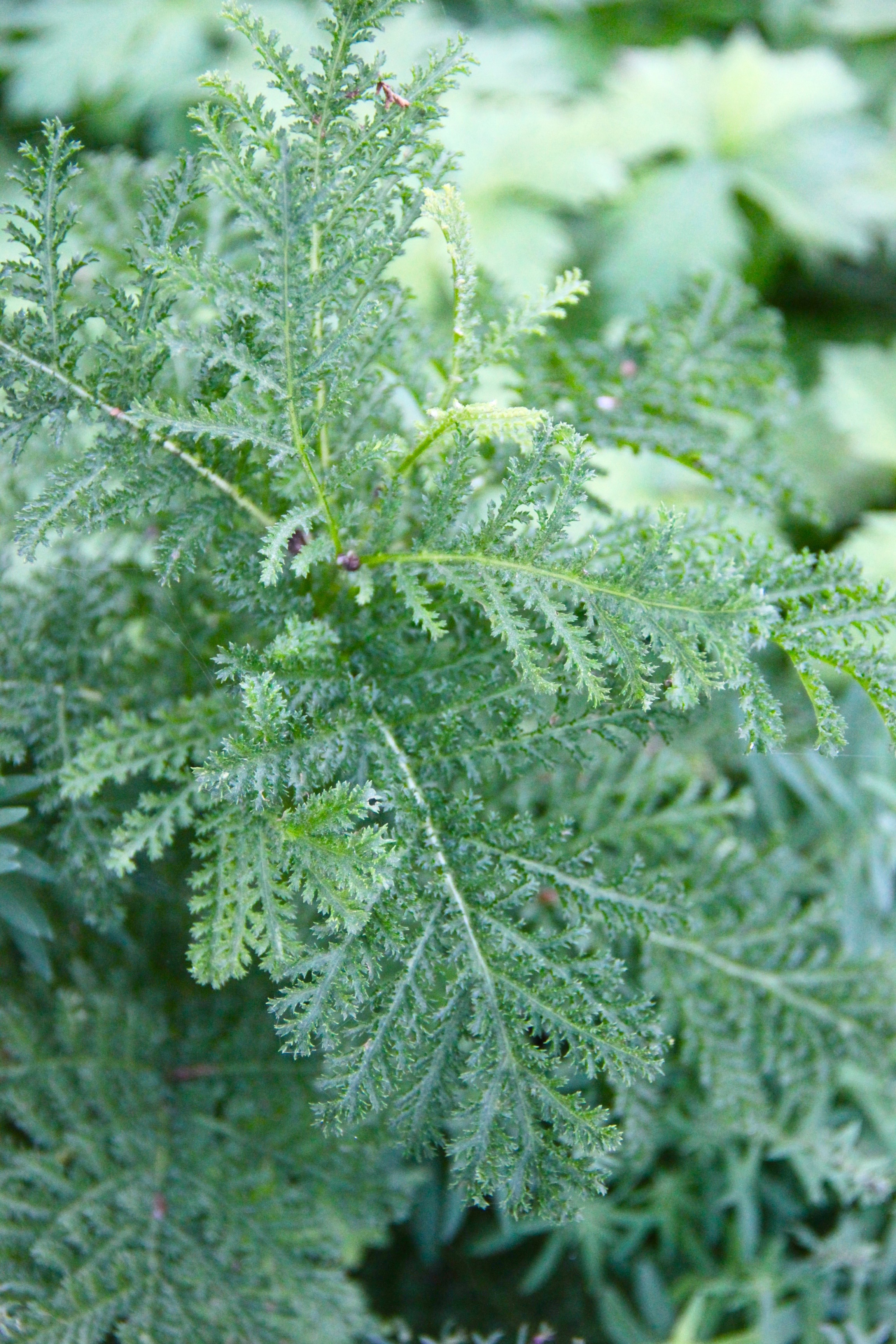
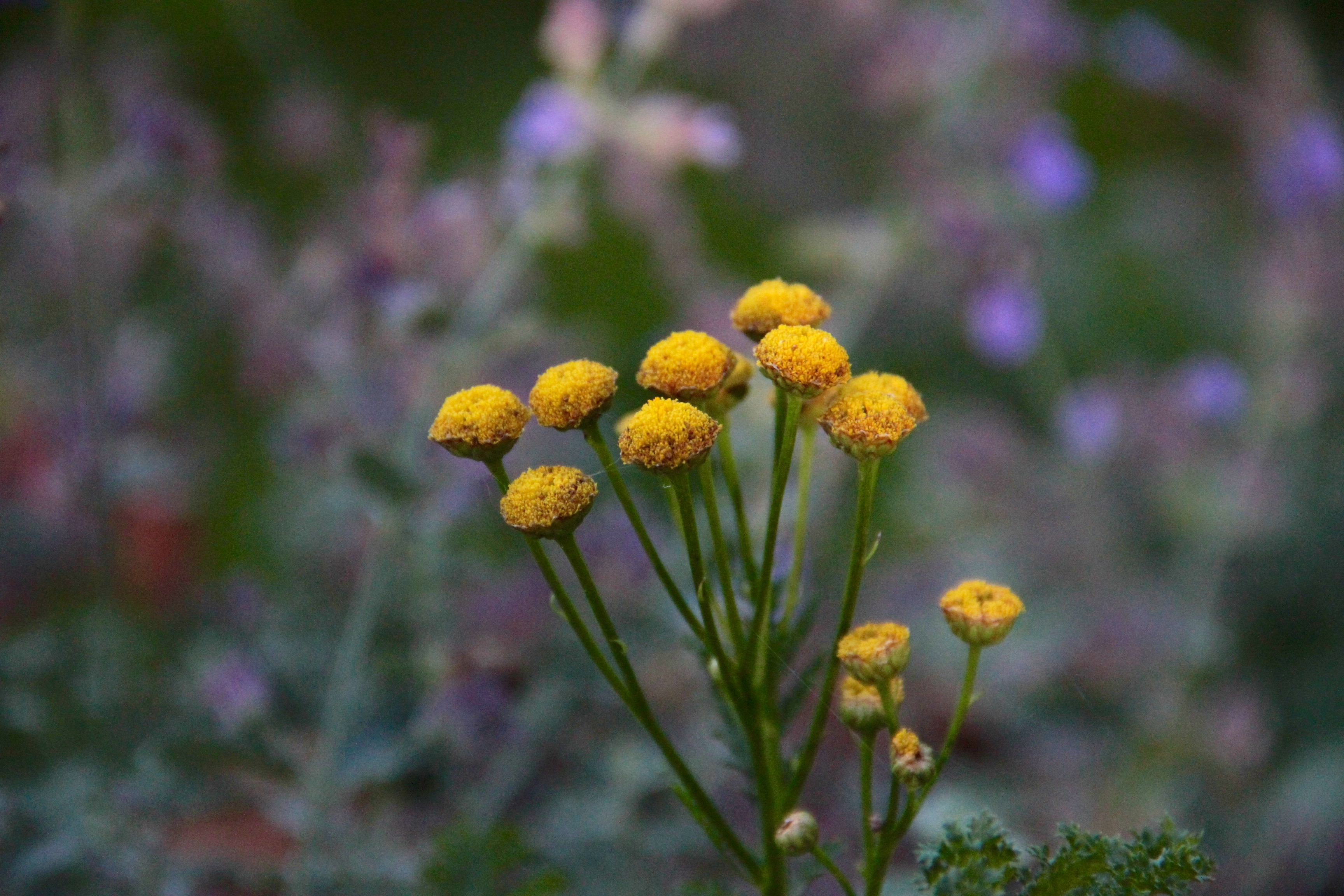
Today I read through garden books and internet sources to learn this plant’s name: Tanacetum vulgare or common tansy. It’s a member of the Asteraceae family and blooms at our altitude concurrently with my New York asters in late summer/early autumn. Tansy is also known as cow bitter, golden buttons, or bitter buttons.
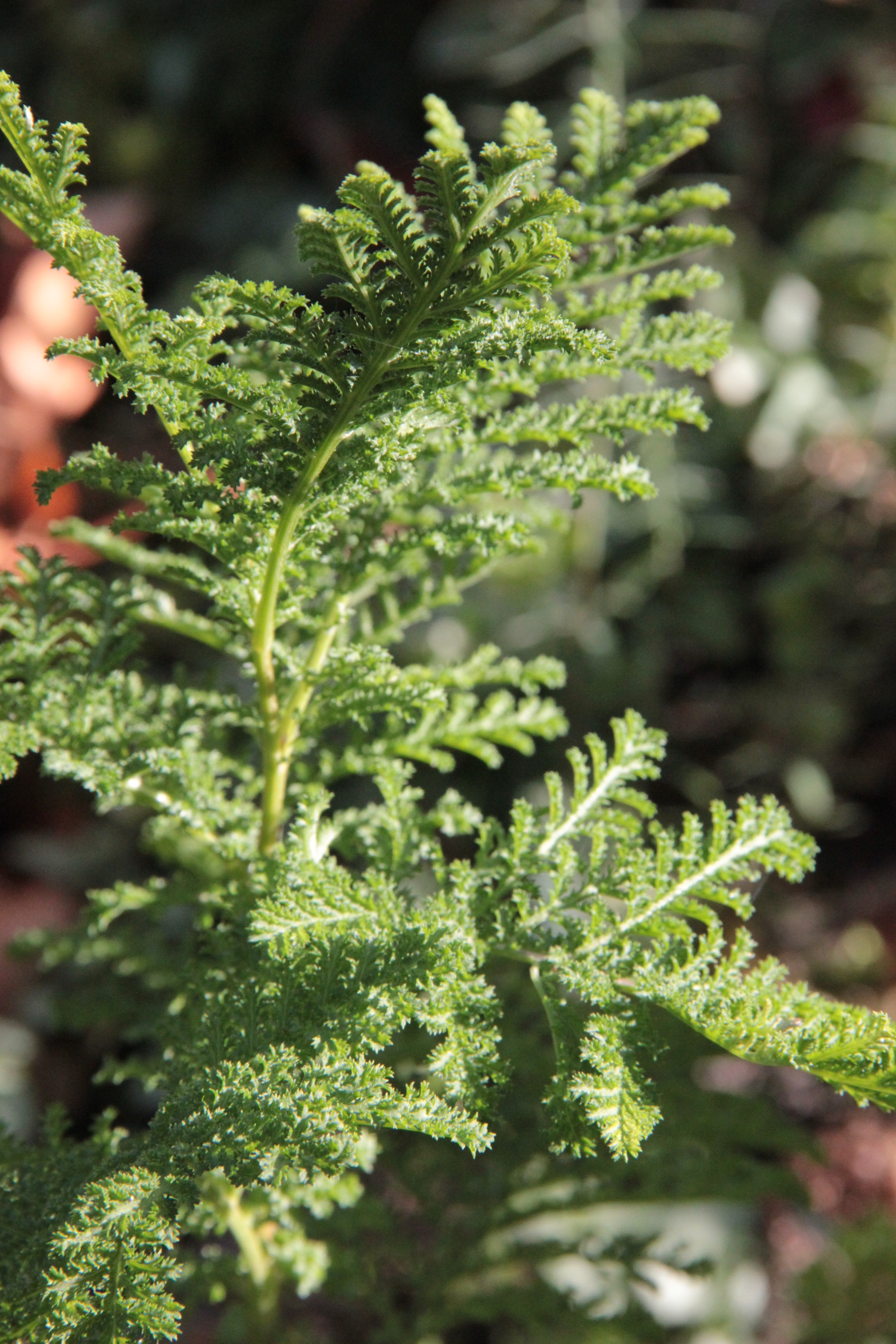
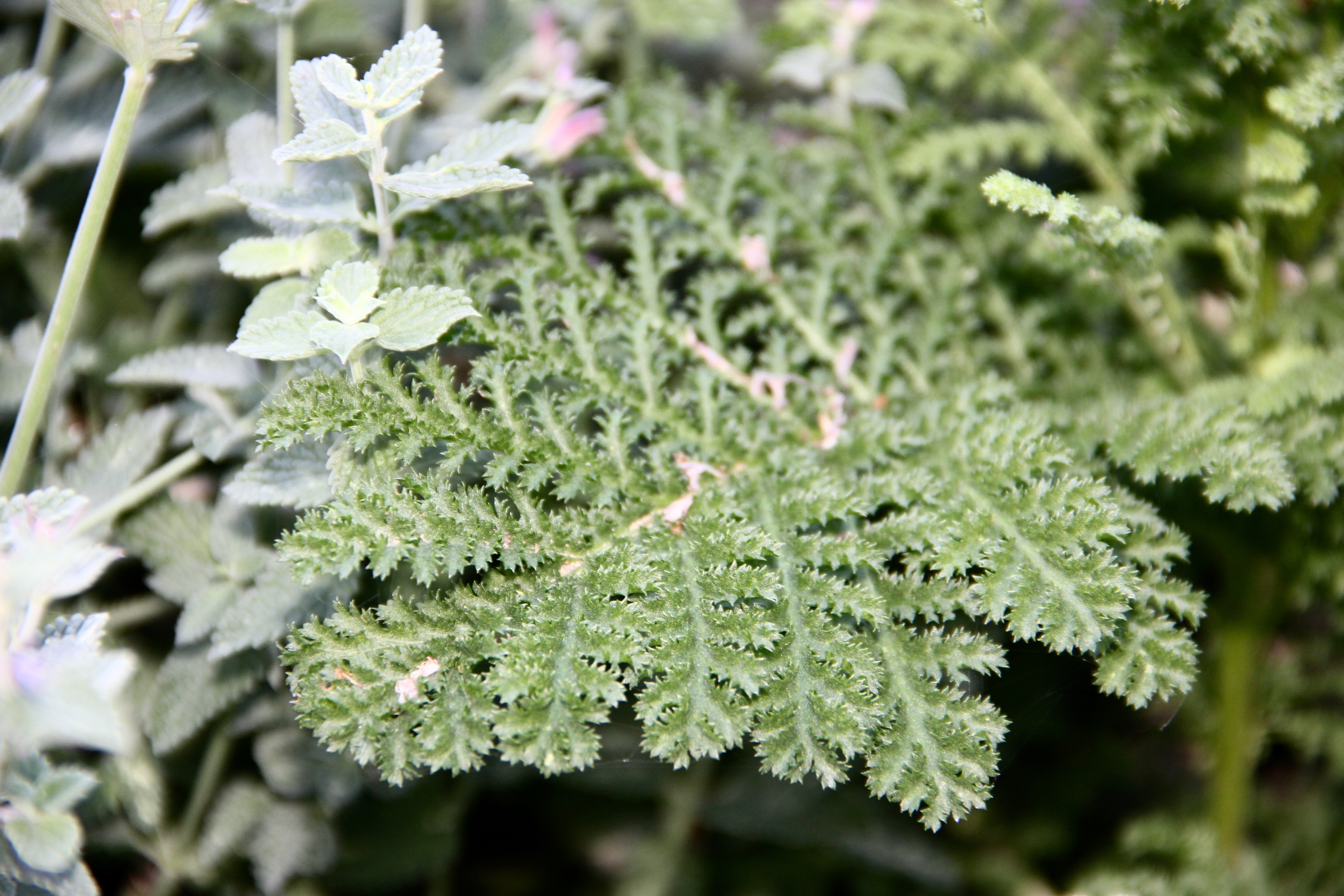
The lacy foliage is my favorite part of tansy. These feathery greens add an airiness to bouquets. While this perennial can grow up to four feet in height, mine top out at just under three feet.
Used for centuries as a medicinal herb, tansy is effective as a general insect repellant, deterring many non-nectar eating insects. When crushed between my fingers, the plant smells like camphor or strong mint mixed with rosemary. Specifically, research shows it repels some wasps, Japanese beetles, striped cucumber beetles, squash bugs, sugar ants, mice, fleas and moths while remaining particularly attractive to honeybees. This all makes tansy a useful companion herb in the veggie garden. I’ve also read that tansy helps to concentrate potassium in the soil making it an excellent herb to plant near compost heaps.

Benefits aside, tansy spreads easily, both by rhizomes and self-seeding. One plant may produce 1,000 to 10,000 seeds per season. Deadheading spent blooms before the seeds fall keeps self-seeding to a minimum; better yet, shearing off the flowering stems before they bloom, like I do with hostas and lamb’s ear, avoids all threat of self-seeding. Varieties of tansy are mentioned on some of the northern states’ invasive weed lists, so plant at your own risk. Another caution: Tansy is poisonous in large doses.


 Gardens at Coppertop
Leave a reply to A Study In Coppertop Weeds | Gardens at Coppertop Cancel reply